Fill Sand vs Building Sand vs Sharp Sand: The Complete Guide for Groundworkers

Choosing the wrong sand for your groundwork project is one of those mistakes that'll come back to haunt you months later. Whether you're laying a patio that starts sinking, pointing brickwork that cracks, or backfilling an area that settles unevenly, using the right sand type from the start saves time, money, and your reputation.
As groundworkers, you know that not all sand is created equal. But with terms like "sharp sand," "building sand," and "fill sand" getting thrown around job sites, it's easy to get confused about which one does what. Let's break it down in plain English.
Sharp Sand: The Heavy Hitter
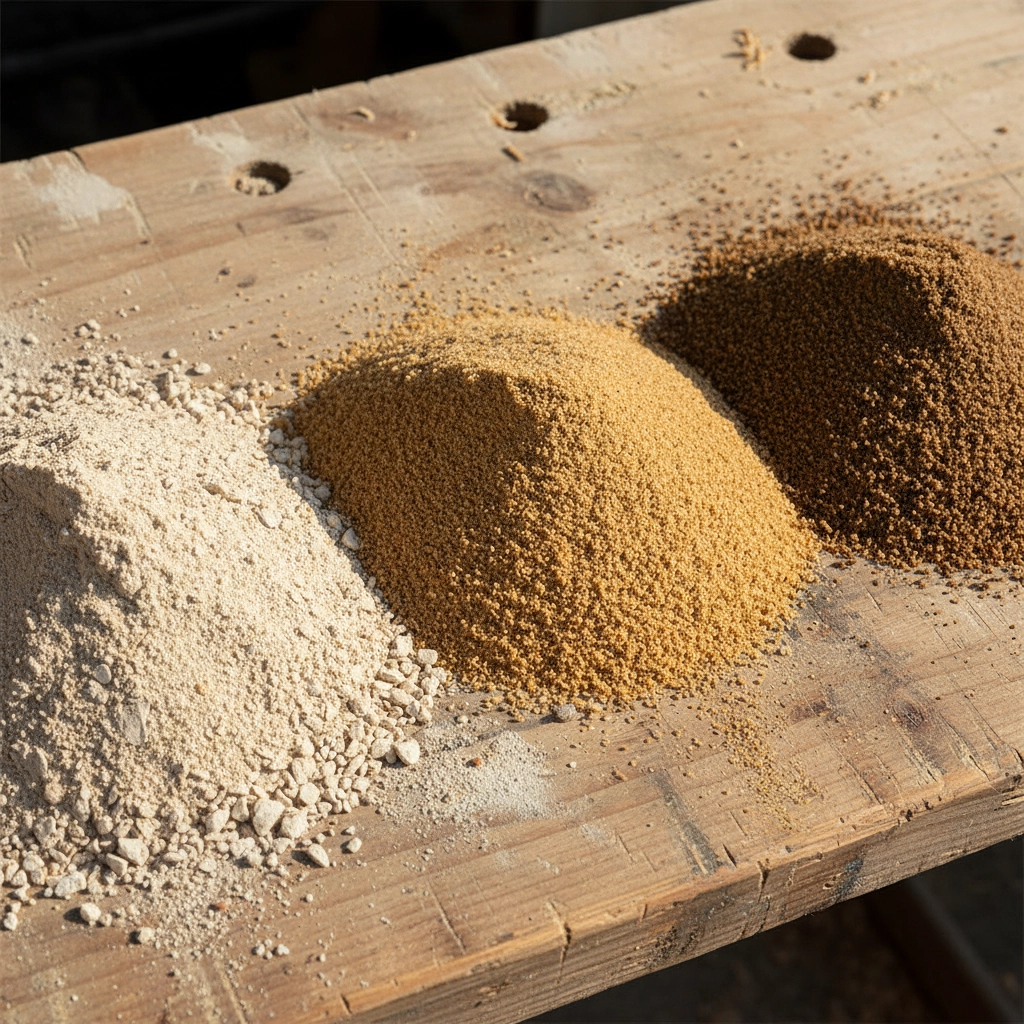
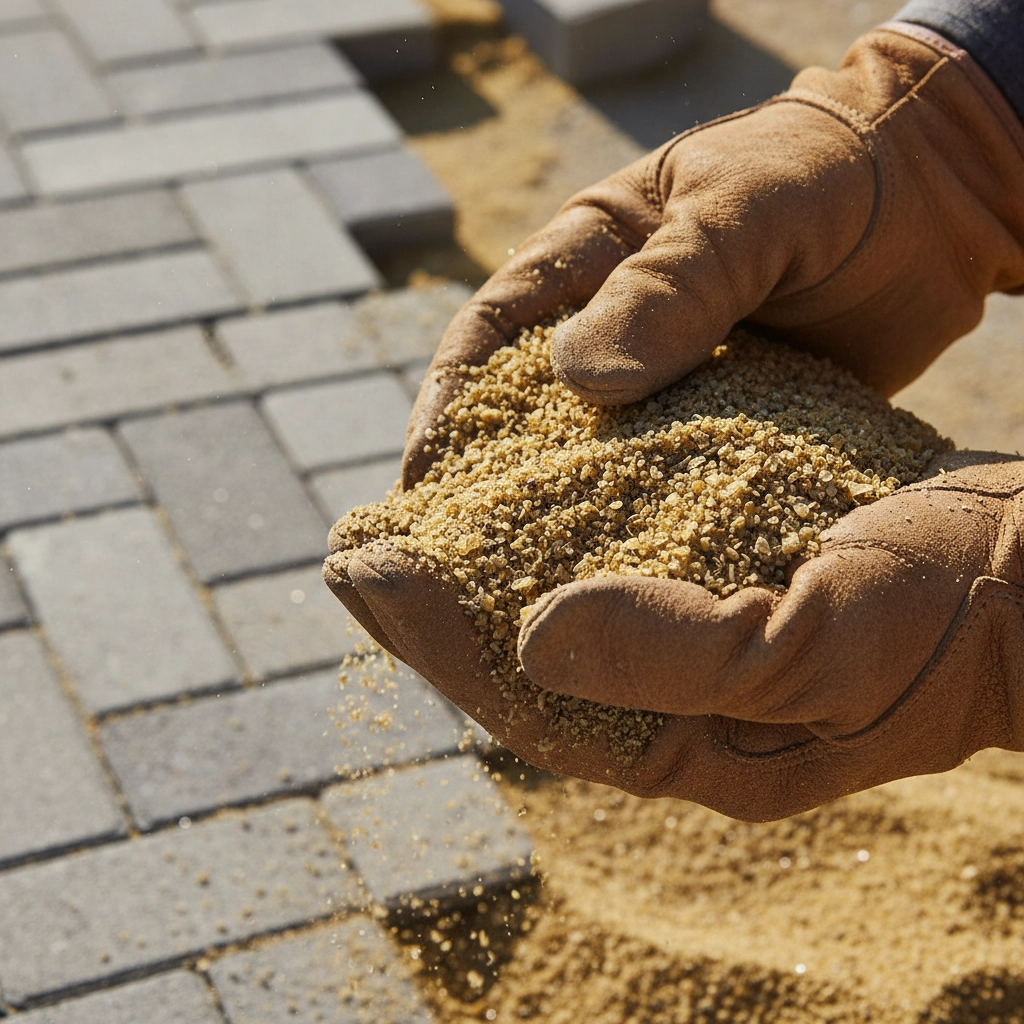
Sharp sand (also called grit sand or coarse sand) is your go-to for anything that needs serious strength and drainage. The clue's in the name – those angular, gritty particles range from 0.2mm to 5mm, making it the roughest of the three types.
What makes it different: When you run sharp sand through your fingers, you'll feel those jagged edges immediately. The particles don't stick together like other sands – they stay separate and rigid, which is exactly why it works so well for structural applications.
Where it shines:
Concrete mixing (those angular grains lock together like puzzle pieces)
Block paving and paving flags
Patios and driveways
Floor screeds
Improving drainage in waterlogged areas
The drainage properties alone make sharp sand invaluable. Water flows through it easily, preventing that soggy mess you get with finer sands. It's also heavier than building sand, which helps with stability in load-bearing applications.
Where it doesn't work: Don't even think about using sharp sand for bricklaying or pointing. Those rough edges create a lumpy, inconsistent mortar that'll make your brickwork look amateur and potentially compromise the structure.
Building Sand: The Smooth Operator
Building sand is the complete opposite of sharp sand – fine, rounded particles that create a smooth, almost silky texture. It's lighter, flows easily, and when it gets wet, it holds its shape much better than sharp sand.
The key advantage: Building sand resists shrinkage and cracking as it dries. This is crucial for brickwork because it prevents your mortar joints from opening up over time, which would make the whole structure unstable.
Perfect for:
Bricklaying mortar
Pointing and repointing
Any application where you need smooth, consistent mortar
Rendering work
What it can't do: Building sand is useless for concrete on its own – it's too fine to provide the structural strength you need. It also doesn't work for paving applications or anywhere you need good drainage.
The golden rule: if you're working with bricks or need a smooth finish, building sand is your only choice. For everything else, look elsewhere.
Fill Sand: The Problem Solver
Fill sand sits somewhere in the middle, with particles typically ranging from 0.2mm to 2mm. It's often unscreened and unwashed, which keeps costs down and makes it perfect for bulk applications where you're not worried about appearance.
What it's designed for:
Backfilling excavated areas
Leveling uneven ground
Filling around utility pipes
Creating stable bases before laying final surfaces
General site preparation work
Think of fill sand as your workhorse material. It compacts well, provides decent drainage, and creates a stable foundation for other materials. It's not fancy, but it gets the job done efficiently and economically.
The Quick Comparison Guide
Feature | Sharp Sand | Building Sand | Fill Sand |
Particle Size | 0.2-5mm | Fine, small | 0.2-2mm |
Texture | Coarse, angular | Fine, smooth | Medium |
Weight | Heavy | Light | Medium |
Drainage | Excellent | Poor | Good |
Best For | Concrete, paving | Bricklaying | Backfilling |
Cost | Medium | Medium | Low |
Real-World Application Guide
Laying Block Paving: Sharp sand all the way. You need those angular particles to lock the blocks in place and provide drainage underneath. Building sand would just wash away, and fill sand wouldn't give you the precision you need for a level finish.
Bricklaying a Garden Wall: Building sand is non-negotiable. The smooth mortar joints will look professional and won't crack as they cure. Sharp sand would create rough, weak joints that'll fail within a year.
Backfilling a Trench: Fill sand is your most cost-effective option. You're filling a large volume, so you don't need the precision of sharp sand or the smooth finish of building sand. Fill sand compacts well and provides adequate drainage.
Mixing Concrete for Foundations: Sharp sand provides the strength you need. The angular particles create a matrix that can handle serious loads. Never use building sand alone for concrete – it simply won't be strong enough.
Pointing Old Brickwork: Building sand creates the smooth, consistent mortar that'll match existing pointing and cure without cracking.
Quick Decision Framework
When you're on site and need to make a fast decision, use this simple framework:
Ask yourself: "What's the primary job?"
Structural strength needed? → Sharp sand
Smooth finish required? → Building sand
Filling/leveling bulk areas? → Fill sand
Consider the end result:
Will people see it? (Building sand for visible mortar work)
Does it need to drain? (Sharp sand for wet areas)
Is it just filling space? (Fill sand for hidden areas)
Common Mistakes to Avoid
Using building sand for concrete: This is probably the most expensive mistake groundworkers make. The concrete will be weak and prone to cracking under load.
Using sharp sand for bricklaying: Your mortar joints will look rough and may not bond properly with the bricks.
Mixing different sand types without purpose: Each sand type has specific properties. Random mixing usually gives you the worst of both worlds.
Choosing based on price alone: The cheapest sand might cost you more in the long run if it's not right for the job.
Sourcing Quality Sand
When sourcing sand, consistency matters more than you might think. A reliable supplier ensures you get the same particle size and quality every time, which means predictable results on every job.
At DRM Aggregate Solutions, we stock all three sand types to British Standards. Our sharp sand is washed and graded for consistent quality, while our building sand provides that smooth finish bricklayers depend on. For bulk filling operations, our fill sand offers excellent value without compromising stability.
Storage and Handling Tips
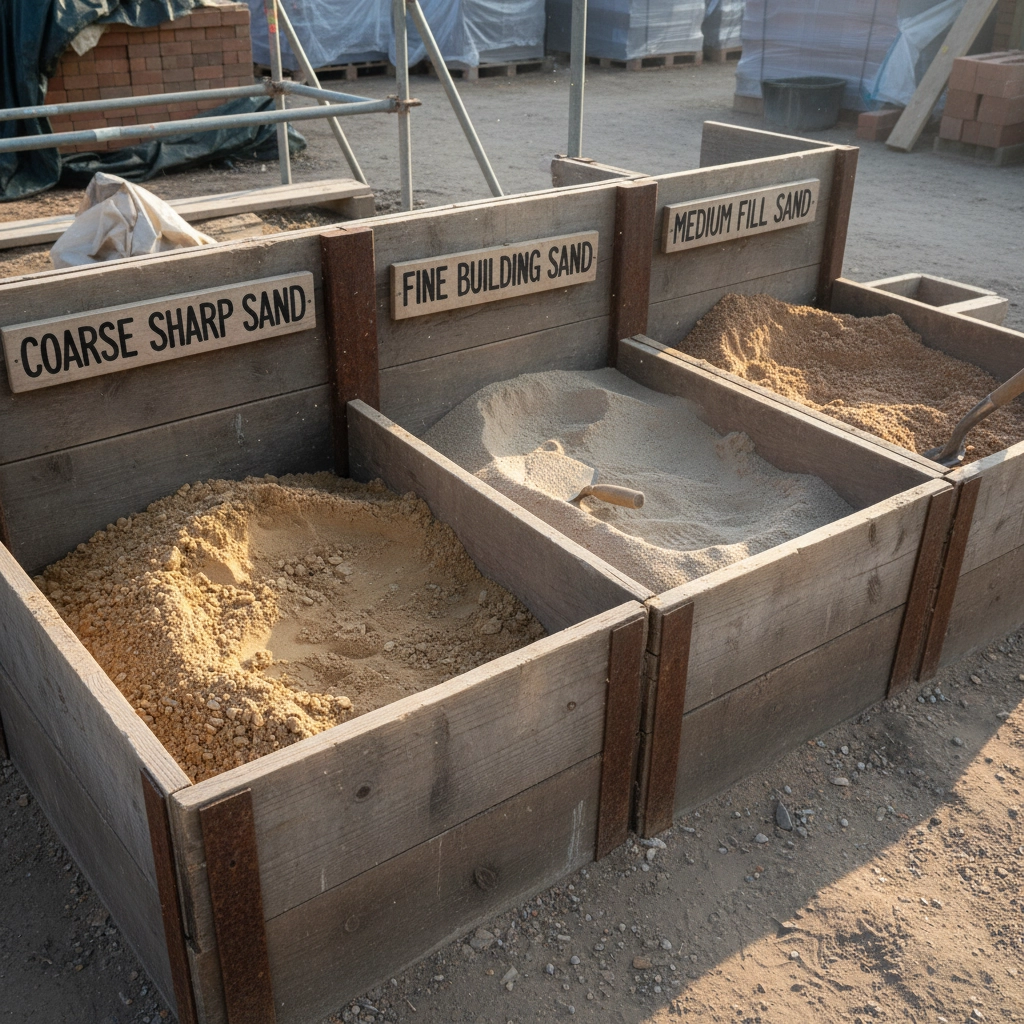
Keep sands separate: Cross-contamination ruins the specific properties you're paying for. Use separate bays or cover different types.
Protect from rain: Wet sand is harder to work with and changes the water ratios in your mixes.
Order what you need: Sand doesn't improve with age, and storage costs add up quickly.
The Bottom Line
Getting sand selection right isn't complicated, but it is critical. Sharp sand for strength and drainage, building sand for smooth mortars and brickwork, fill sand for bulk applications. Stick to these basics, and you'll avoid the costly mistakes that plague groundworkers who try to make one type do everything.
Remember: the few pounds you might save by using the wrong sand type will cost you hundreds when you're fixing failed work. Choose the right sand for the job, source it from a reliable supplier, and your groundwork will stand the test of time.
Comments